

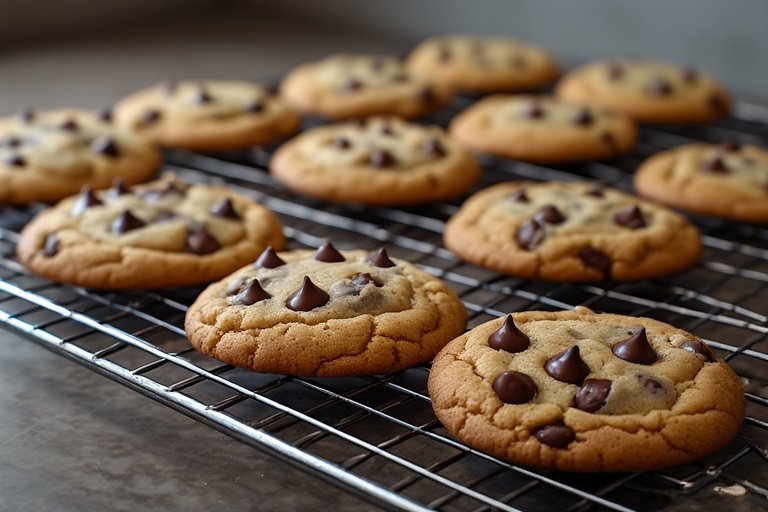
We have been told from our readers that it’s a common struggle for home bakers. What if we told you there’s a simple secret to achieving that bakery-worthy chewy texture and deep, delicious flavor that we have created every single time? Get ready, it’s not only my wife Paislee favorite but we’re about to share our game-changing soft and chewy chocolate chip cookie recipe that will transform your baking forever.
What Makes a Cookie “Soft & Chewy”? The Science Behind the Softness
Understanding why some cookies are soft & chewy while and others are hard can feel like magic. Really, we will show you it’s all about a few basic ingredients and how they play together. A chewy cookie gets its bendy texture from specific reactions in your oven. We’ll break down the important stuff without getting too complicated.
The Role of Sugar
Sugar isn’t just for sweetness; it’s a texture wizard. Granulated sugar tends to make cookies spread more and gives them a crispier edge. Brown sugar, on the other hand, is the star for chewiness. It has molasses, which is a natural humectant, meaning it holds onto moisture. This moisture keeps your cookies soft and bendy even after they cool. That little bit of molasses makes a huge difference in the final chew.
Fat Content and Type
Butter is the backbone of most great cookies. Its fat content plays a big role in how much your cookies spread and how tender they are. Using melted butter in your dough often leads to a chewier cookie because it fully coats the flour, preventing too much gluten from forming. Softened butter, creamed with sugar, incorporates more air. This can give you a slightly cakier texture. Both have their place, but for chewiness, melted butter is often our preferred starting point.
Flour’s Influence
Flour gives cookies their structure. Most recipes call for all-purpose flour, which works great. This type of flour has a moderate amount of protein. Too much protein, like in bread flour, can make cookies tough. Too little, like in cake flour, can make them fall apart. A good balance means a cookie that holds its shape but stays tender and chewy. We aim for that sweet spot to avoid a dry or crumbly treat.
Our Secret Weapon: The Simple Ingredient You’re Probably Overlooking
You might think making a truly chewy chocolate chip cookie is hard. But the real secret is often very simple. We’ve tried many tricks, but one little thing stands out. It gives us that perfect chew and a rich taste you just can’t get enough of.
Unveiling the “Secret”
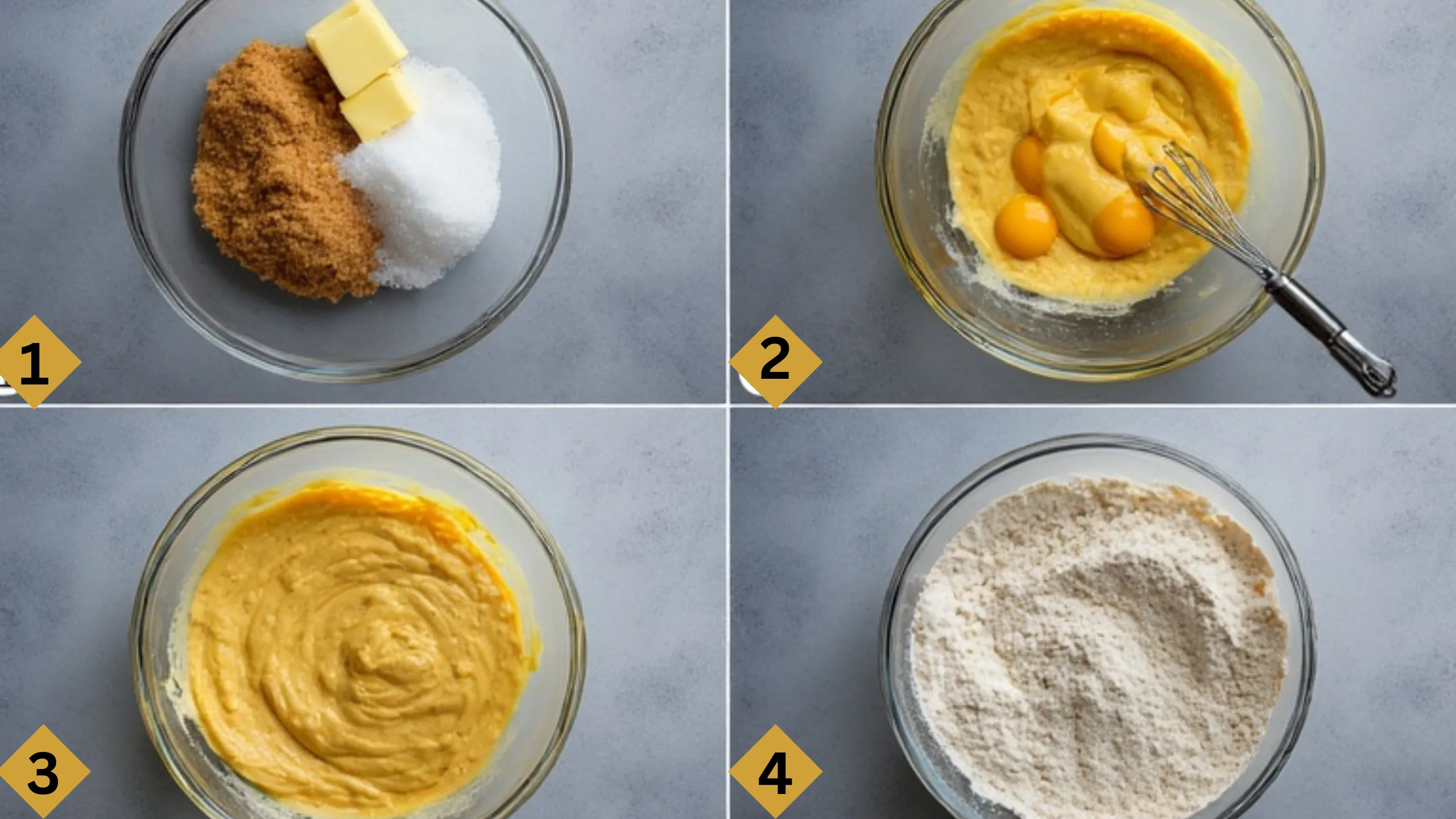
The one ingredient that truly sets our recipe apart is an extra egg yolk. Yes, just one extra yolk can change your cookie game entirely. Most recipes call for whole eggs, but separating them for this purpose is totally worth the small effort. It’s a tiny tweak that makes a huge impact on the final result.
Why It Works
An extra egg yolk brings more fat and less water to your cookie dough. The added fat makes your cookies richer and more tender. The yolk also acts as a powerful emulsifier, helping all the ingredients blend together smoothly. This prevents your cookies from getting dry and promotes that desirable chewy, almost fudgy center. It’s a small addition that boosts moisture, richness, and ultimately, chewiness.
✅ Quick Tips: Chilling your cookie dough isn’t just an optional step; it’s a game-changer. Skipping this part often leads to flat, greasy cookies. This little waiting period does wonders for flavor and texture. It really makes your cookies taste like they came from a fancy bakery.
Love cookies, try our ultimate Cookie Recipe, here.
Why this is The Ultimate Chewy Chocolate Chip Cookie Recipe
Description
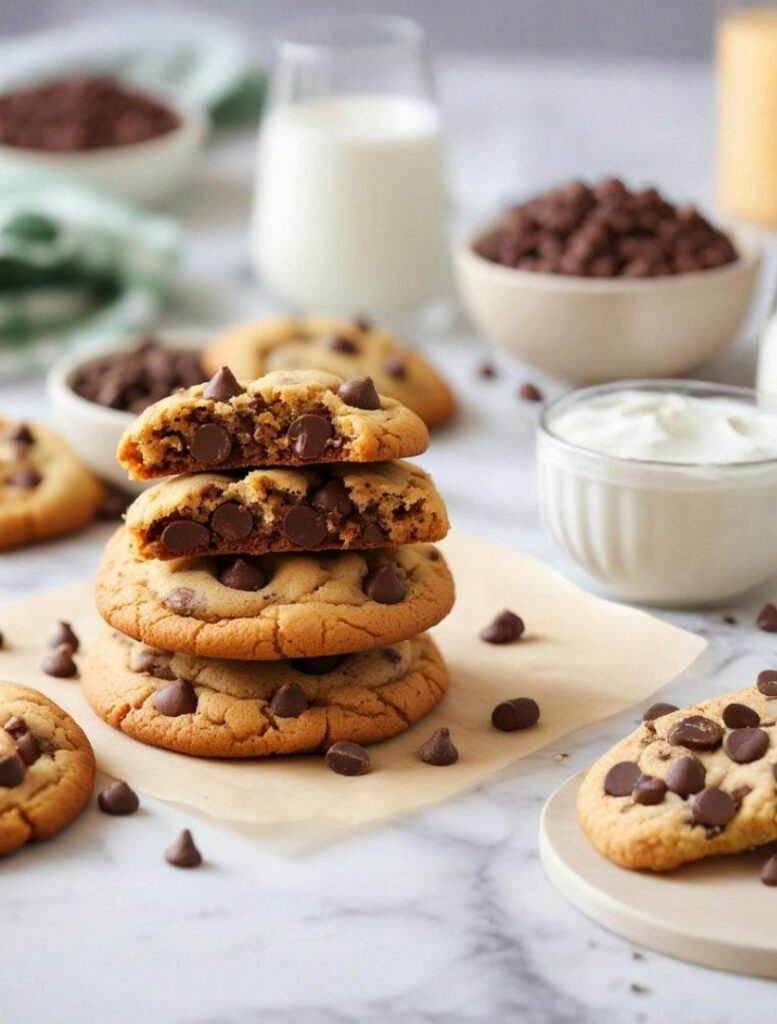
If you are having guest around then we have a classic soft and chewy chocolate chip cookies recipe ready for you. It includes ingredients like all-purpose flour, baking soda, butter, sugars, vanilla, eggs, and chocolate chips. The baking time is about 9-11 minutes at 375°F, and it makes around 24 cookies.
Ingredients
Instructions
Preheat oven to 375°F (190°C) .
In a small bowl, combine flour, baking soda, and salt.
Make sure there are no lumps in the baking soda. Whisking them separately ensures these dry ingredients are evenly distributed throughout the dough.
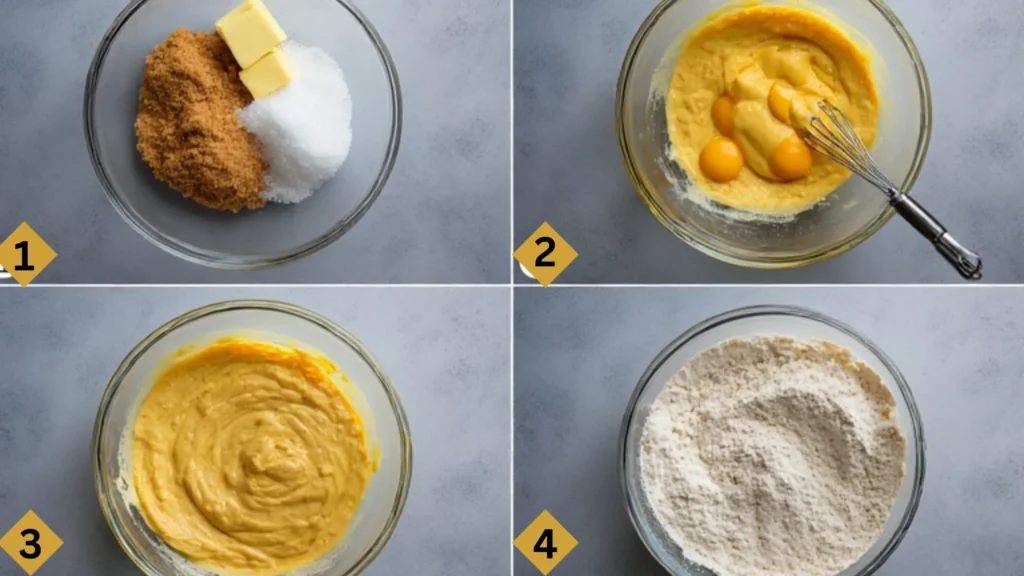
In a large bowl, beat softened butter, granulated sugar, brown sugar, and vanilla until creamy. Whisk for about 2 minutes until the mixture looks smooth and light brown. This step fully dissolves the sugars and mixes them evenly. You are setting the foundation for a perfectly sweet cookie.
Add eggs one at a time, beating well after each addition. Mix these until they are fully combined and the mixture looks creamy. These wet ingredients are what bind everything together and add richness. Don't rush this step, make sure everything is incorporated well.
Gradually add the dry ingredients to the wet ingredients, mixing on low speed until just combined. Be careful not to over-mix the dough. Over-mixing can develop too much gluten, which leads to tough cookies, not chewy ones. 🤔
Stir in chocolate chips. Once the flour is mostly incorporated, fold in the chocolate chips by hand. Distribute them evenly throughout the dough.
We suggest chilling your dough for at least 30 minutes, but 2 hours is even better.
You can even chill it overnight for the best results. If chilling overnight, cover the bowl tightly with plastic wrap. This longer chill time allows the flavors to truly develop and leads to an even chewier cookie. It's a bit of patience that pays off big time.Drop rounded tablespoonfuls dough balls shape onto un-greased baking sheets.
Leave about 2 inches between each cookie. This gives them room to spread without touching.- Bake for 9-11 minutes or until golden brown.Make sure your oven is fully preheated to 375°F (190°C) before you put in the cookies.
- Cool on baking sheets for 2 minutes; transfer to wire racks to cool completely.This residual heat is important for achieving that ultimate chewy center. Let them cool on the baking sheet for 5 minutes before moving them to a wire rack to cool completely.
Nutrition Facts
Servings 24
Serving Size 1 [45g]
- Amount Per Serving
- Calories 190kcal
- % Daily Value *
- Total Fat 9g14%
- Saturated Fat 4.5g23%
- Cholesterol 20mg7%
- Sodium 105mg5%
- Total Carbohydrate 26g9%
- Dietary Fiber 1g4%
- Sugars 15g
- Protein 2g4%
- Calcium 12 mg
- Iron 2 mg
* Percent Daily Values are based on a 2,000 calorie diet. Your daily value may be higher or lower depending on your calorie needs.
Note
Here are some quick tips for the best cookies:
- Let cookies cool on the baking sheet briefly before transferring to a rack.
- Use softened butter for a creamy dough.
- Don't over-mix the dough once you add the flour to keep cookies tender.
- Chill the dough if you have time; it helps control spreading.
- Bake until edges are golden but centers still look slightly soft for chewiness.